



Cutting Edge
Cardiovascular Research
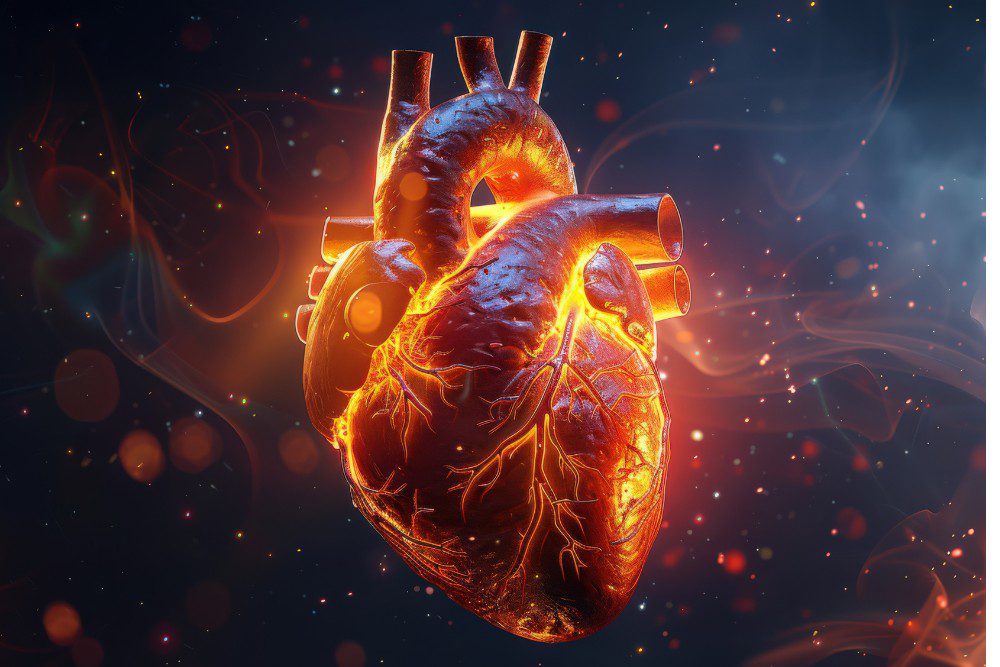
Nora Eccles Harrison Cardiovascular Research & Training Institute (CVRTI) advances cutting-edge cell-to-bedside cardiovascular research and education to address one of the world’s leading causes of death.
At the CVRTI, we uncover new insights into heart muscle biology while developing innovative therapies for patients with heart failure and life-threatening cardiac arrhythmias, including sudden cardiac death.
About CVRTI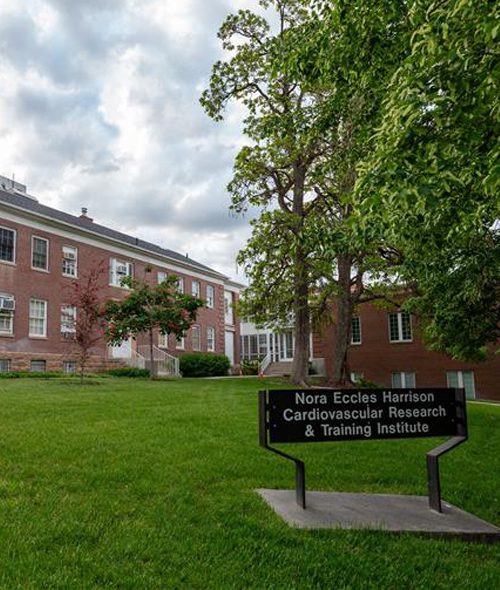


Uniting Science and
Medicine to Heal the Heart
Located at the University of Utah, the CVRTI brings together a multidisciplinary team of 18 investigator-led laboratories, uniting scientists and physician-scientists to advance cardiovascular discovery. Our research spans heart muscle biology, electrophysiology, metabolism, and genetics.
Founded in 1969, CVRTI is one of the nation’s oldest cardiovascular institutes. Its discoveries have shaped clinical care, including the development of the first artificial heart, discovering the genetic basis of long QT arrhythmias, cardiac mapping, and myocardial recovery..
Research LabsCVRTI’s Seminar Series
Thursday, April 9, 2026
12:00 PM – 1:00 PM MT
Join us at the Eccles Health Sciences Education Building,
EHSEB, Bldg. 575, Room 1700, 25 S. 2000 E.

NEXT EVENT
Quantum Mechanics-Based Multitensor AI/ML Uniquely Able to
Discover, Validate, and Interpret Predictors from Small-Cohort
Noisy High-Dimensional Multiomic Data
Orly Alter, PhD
USTAR Associate Professor of Bioengineering and Human Genetics
Scientific Computing and Imaging Institute and
Huntsman Cancer Institute
The Latest From CVRTI
-

Can cBIN1 Be Targeted for New Cardiovascular Treatments?
Read Entire blog HereSixty-four million people worldwide will be affected by heart failure, and according to the American Heart Association, 6.2 million adults in the United States are living with (diagnosed and undiagnosed)…
-
Differences Between Ischemic and Non-Ischemic Heart Issues
Read Entire blog HereCardiac ischemia is when the heart muscle doesn’t receive enough blood due to artery blockages. However, not all heart problems stem from ischemia. Some heart conditions fall under non-ischemic cardiomyopathy,…
-
How Stress Contributes to Cardiac Ischemia
Read Entire blog HereCardiac ischemia occurs when blood flow to the heart muscle is reduced, often due to narrowed or blocked arteries. While factors like high cholesterol and hypertension are well-known causes, stress…