
Blog
The Latest From CVRTI

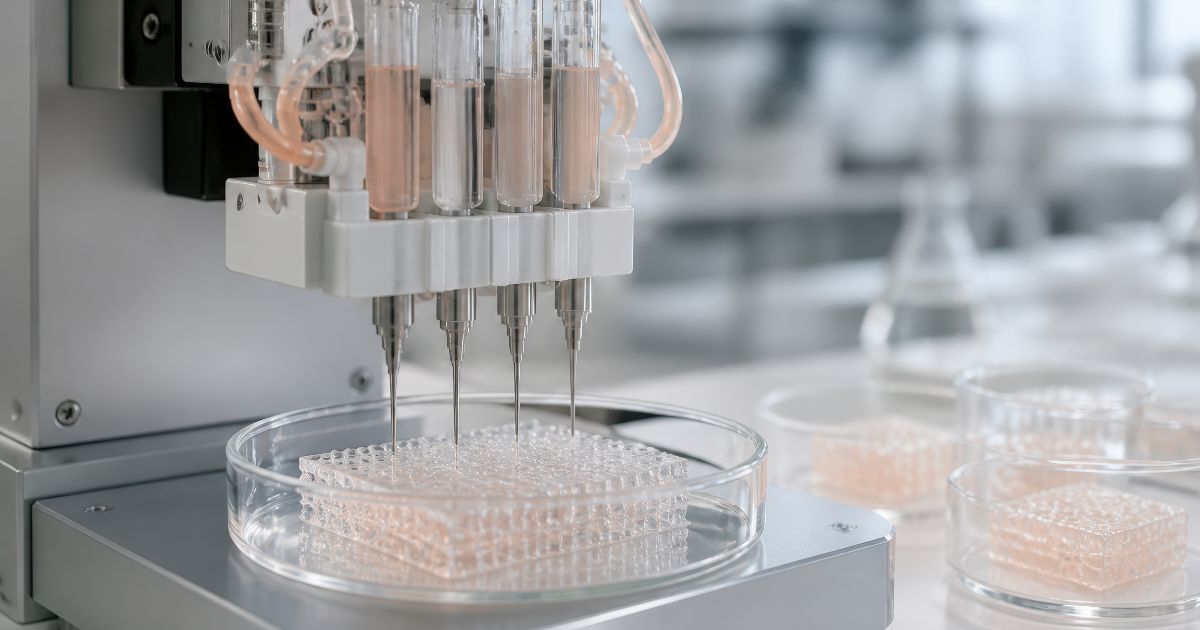
How Biomaterials Are Being Used to Support Heart Regeneration
Read Entire blog HereA part of the heart muscle dies each time someone has a heart attack, and the body doesn’t fix it on its own. Adult cardiomyocytes have a very limited ability…
How Implantable Defibrillators Work to Prevent Sudden Cardiac Death
Read Entire blog HereSudden cardiac arrest is not a heart attack in the traditional sense. Instead of a blocked artery cutting off blood flow to the heart muscle, it is caused by an…
Circadian Rhythms and Their Effect on Heart Rate Variability
Read Entire blog HereYour heart’s activity naturally changes throughout the day, even when your activity level remains the same. Heart rate, blood pressure, and autonomic nervous system (ANS) balance follow a predictable 24-hour…
How the Autonomic Nervous System Regulates Heart Rhythm and Blood Pressure
Read Entire blog HereThe human heart beats around 100,000 times a day, and without conscious instruction. Your blood pressure can adjust in real time based on numerous factors, including your position, your activities,…
Using Polygenic Risk Scores to Predict Cardiovascular Disease
Read Entire blog HereCardiovascular disease is the leading cause of death in the United States, accounting for roughly one in three fatalities nationwide. However, a significant portion of those people aren’t identified as…
What Single-Cell Sequencing Is Revealing About the Heart
Read Entire blog HereThe human heart has been treated as a relatively simple organ for most of modern history. Cardiomyocytes were the star of the show, and everything else was the supporting cast.…
Can Hormones Influence Cardiovascular Wellness?
Read Entire blog HereThe human heart takes its cues from chemistry as much as anatomy. A stream of Hormonal signals tells blood vessels when to expand or contract and tells the liver how…
How Social Factors Shape Cardiovascular Health Across Communities
Read Entire blog HereSocial determinants of health, such as income, healthcare availability, education, food access, and location, are non-medical factors that can shape a person’s risk of developing cardiovascular disease and ability to…
How Cardiac Fibroblasts Drive Heart Failure Progression
Read Entire blog HereHeart failure is often framed as a problem of pump function. It occurs when the heart can’t contract forcefully enough or relax properly to fill with blood.Underlying both of those…
Right-Sided Heart Failure: Causes, Symptoms, and Treatment
Read Entire blog HereMost conversations about heart failure focus on the left ventricle because it’s the chamber responsible for pumping oxygenated blood to the rest of the body. But the right side of…
Can Gene Therapy One Day Prevent Heart Failure Before It Starts?
Read Entire blog HereMost heart failure treatment begins after the damage is done. A patient develops symptoms, imaging confirms structural changes, and a medication regimen is built around managing what remains. But gene…
How Gene Therapy for Cardiovascular Disease Works Alongside Traditional Heart Failure Treatments
Read Entire blog HereGene therapy works alongside traditional heart failure treatment. Standard medications help manage blood pressure, fluid retention, and cardiac workload. Gene therapy addresses the damaged and dysfunctional cells inside the cardiac…